
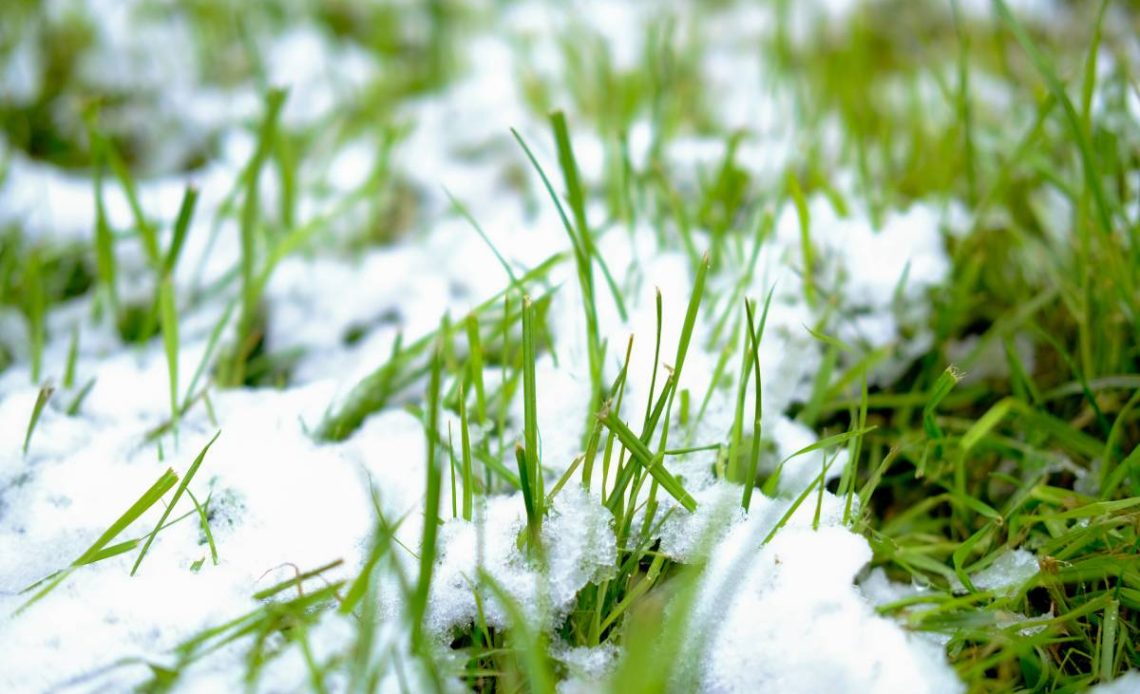
As winter comes to an end, many lawn owners eagerly anticipate seeing their grass spring back to life. However, it’s common to find your Kikuyu grass lawn looking brown, patchy, or lifeless instead of lush and green.
This appearance can be confusing and even alarming if you don’t understand the natural processes at work. In reality, Kikuyu grass, like many warm-season grasses, goes through a period of dormancy during winter a survival mechanism that causes it to temporarily lose its vibrant color and growth.
Understanding why your lawn looks this way after winter and how to properly revive it is key to restoring a healthy, thriving garden. In this article, we’ll explore what grass typically looks like after winter, why Kikuyu grass can look particularly rough during this season, and provide practical steps to wake your lawn up from dormancy and bring it back to life.
Why Does Grass Look Different After Winter?
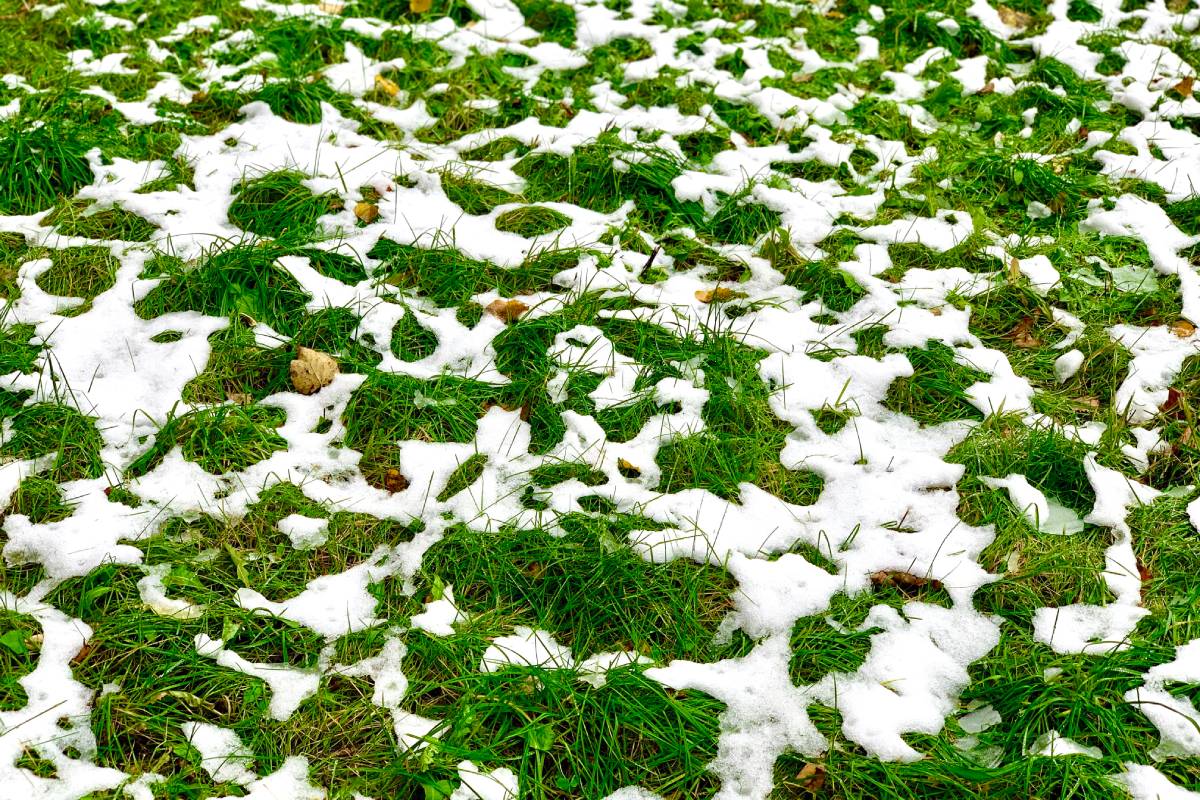
Grass, like many plants, goes through a natural cycle to survive the cold, harsh conditions of winter. During this time, growth slows dramatically or even stops, and the grass enters a state called dormancy.
Dormancy is a survival strategy where the grass conserves energy, reduces metabolic activity, and often loses its green color because chlorophyll production slows or halts.
The visual effect is often a lawn that looks brown, brittle, or even “dead.” However, the grass is usually still alive beneath the surface, waiting for warmer temperatures and adequate moisture to “wake up” and start growing again.
Key Signs of Dormancy:
- Grass blades turning brown or straw-colored
- Thinning coverage or patchy appearance
- Reduced soil moisture uptake and slower growth rates
- Hard or compacted soil
If your lawn looks this way, it is most likely in a normal winter dormancy phase rather than being dead.
Why Does My Kikuyu Grass Lawn Look So Bad After Winter?
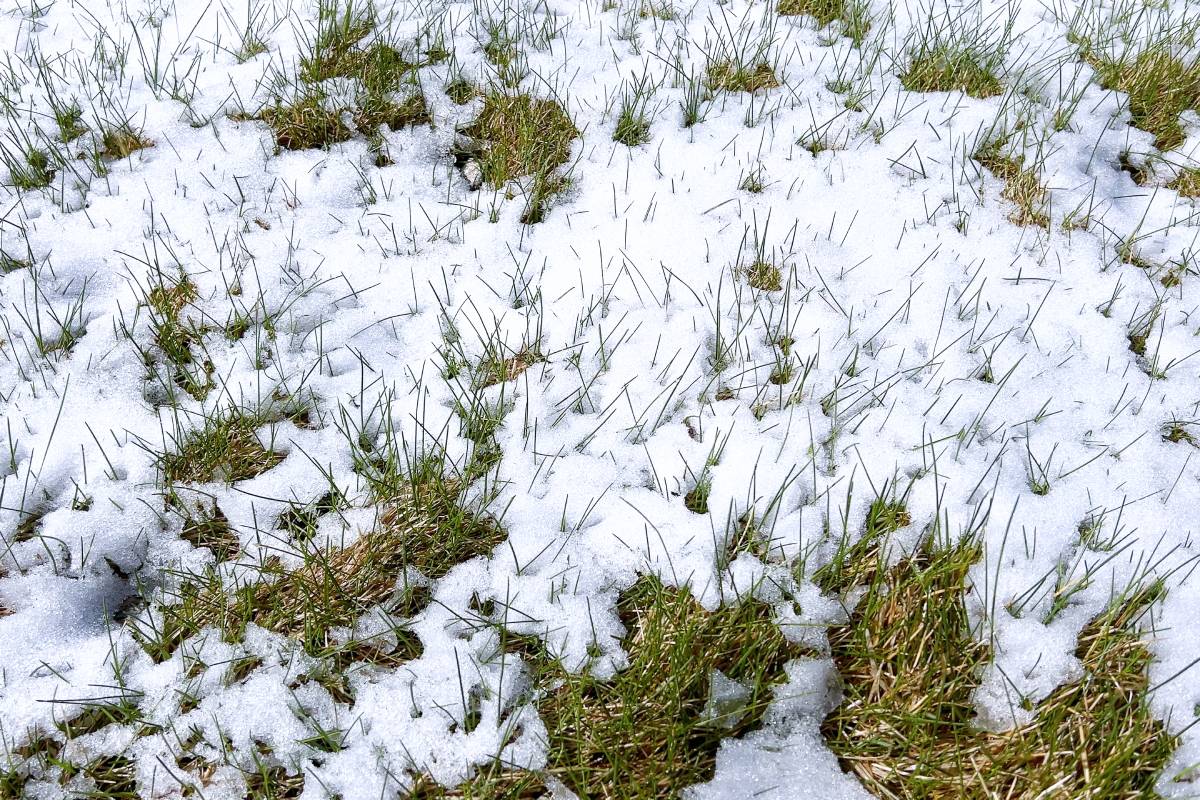
Kikuyu grass (Pennisetum clandestinum) is a popular warm-season grass native to East Africa, widely grown in Australia, New Zealand, and similar climates due to its aggressive growth and drought tolerance. However, Kikuyu grass behaves differently than cool-season grasses when it faces winter.
Kikuyu Grass and Winter Dormancy
Kikuyu is a warm-season grass, meaning it thrives in warm temperatures and goes dormant when the temperature drops below about 10-15°C (50-59°F). During winter, Kikuyu grass typically:
- Turns brown or yellow as chlorophyll production stops.
- Slows or completely stops growing.
- May appear patchy or sparse as above-ground shoots die back.
Why Does It Look Worse Than Other Grasses?
- Dormancy is More Noticeable: Unlike some cool-season grasses that maintain a dull green color or survive better through winter, Kikuyu often goes fully dormant, causing a very stark brown or dead-looking lawn.
- Thatch Buildup: Kikuyu produces a thick thatch layer—a dense mat of dead and living stems, roots, and shoots—more than many other grasses. This can suffocate new growth and make the lawn look worse after winter if it’s not properly managed.
- Winter Damage: Cold snaps or frost can damage Kikuyu’s roots and shoots more severely, especially if the lawn isn’t well-maintained before winter.
- Pest and Disease Pressure: The weakened state during dormancy can increase susceptibility to pests like grubs and fungal diseases, which further degrade appearance.
How Do I Get My Kikuyu Grass Out of Hibernation? A Step-by-Step Revival Guide
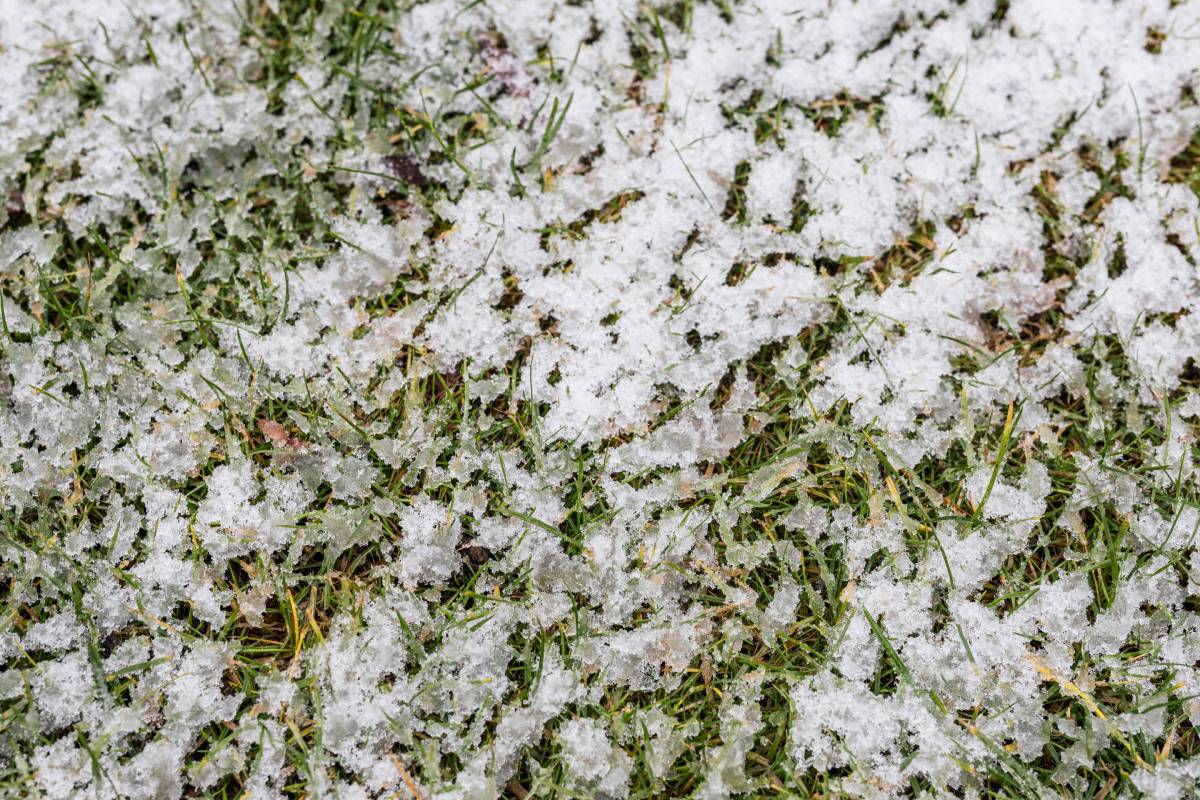
Reviving a Kikuyu lawn after winter dormancy involves patience, care, and targeted lawn maintenance to encourage healthy new growth. Here are the key steps to wake your Kikuyu grass up and restore its lush green beauty.
1. Assess Your Lawn
Before starting, inspect your lawn carefully:
- Check for signs of life by gently pulling at some grass blades; if they resist or snap, the grass is alive.
- Look for excessive thatch buildup, bare patches, or pest damage.
- Test soil moistur dry, compacted soil needs attention.
2. Remove Thatch and Debris
Thatch can prevent sunlight, water, and nutrients from reaching the soil and roots, slowing recovery.
- Use a thatch rake or scarifier to remove dead grass and debris.
- For severe thatch, consider renting a mechanical scarifier.
- Clear away leaves and sticks.
This step helps air and water penetrate the soil and encourages new shoots to emerge.
3. Aerate the Soil
Winter often compacts soil, making it difficult for roots to breathe and absorb nutrients.
- Use a garden fork or aerator to poke holes in the lawn.
- Aeration improves water infiltration, reduces compaction, and stimulates root growth.
4. Feed Your Lawn
Kikuyu grass needs a boost after dormancy to regain its vigor.
- Apply a fertilizer high in nitrogen to stimulate leaf growth.
- Use a slow-release fertilizer for steady nutrition.
- Avoid fertilizing too early when the grass is still cold and dormant, as this can cause stress or wasted nutrients.
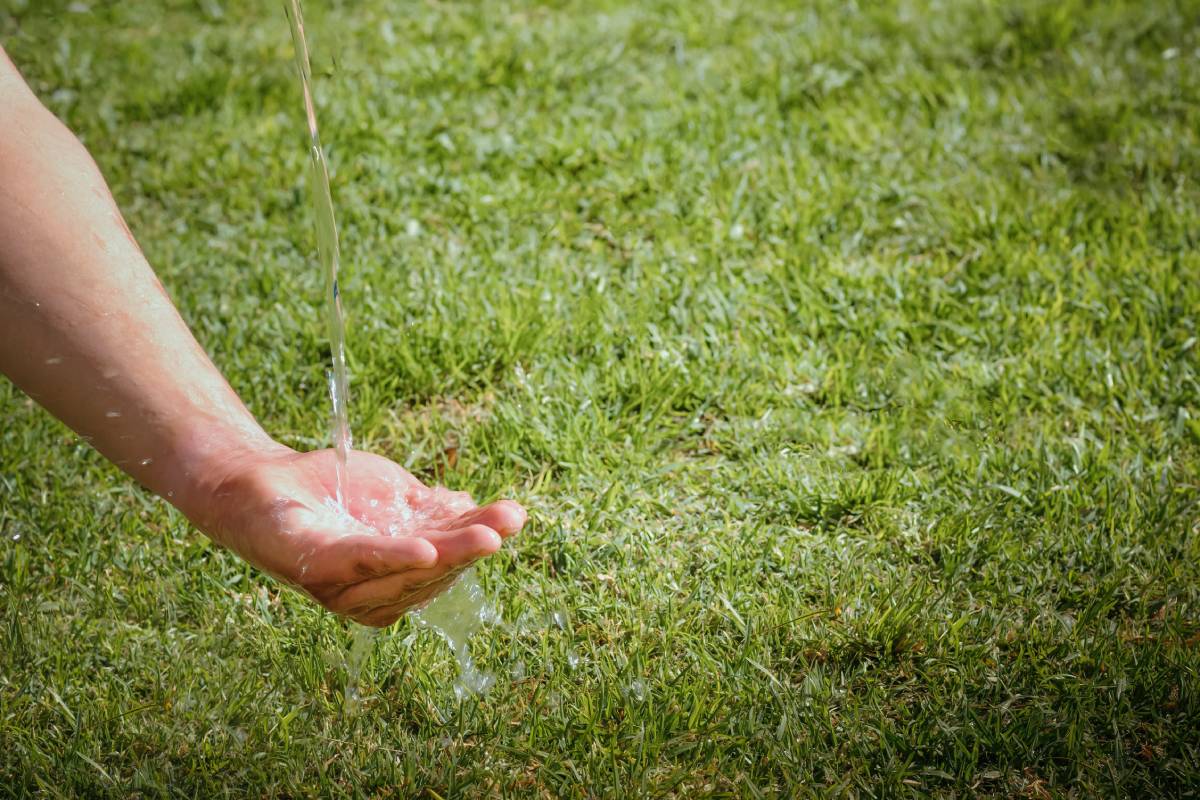
5. Water Wisely
Post-winter, ensure your lawn receives adequate moisture but avoid waterlogging.
- Deep, infrequent watering encourages deep root growth.
- Water early in the day to reduce fungal risk.
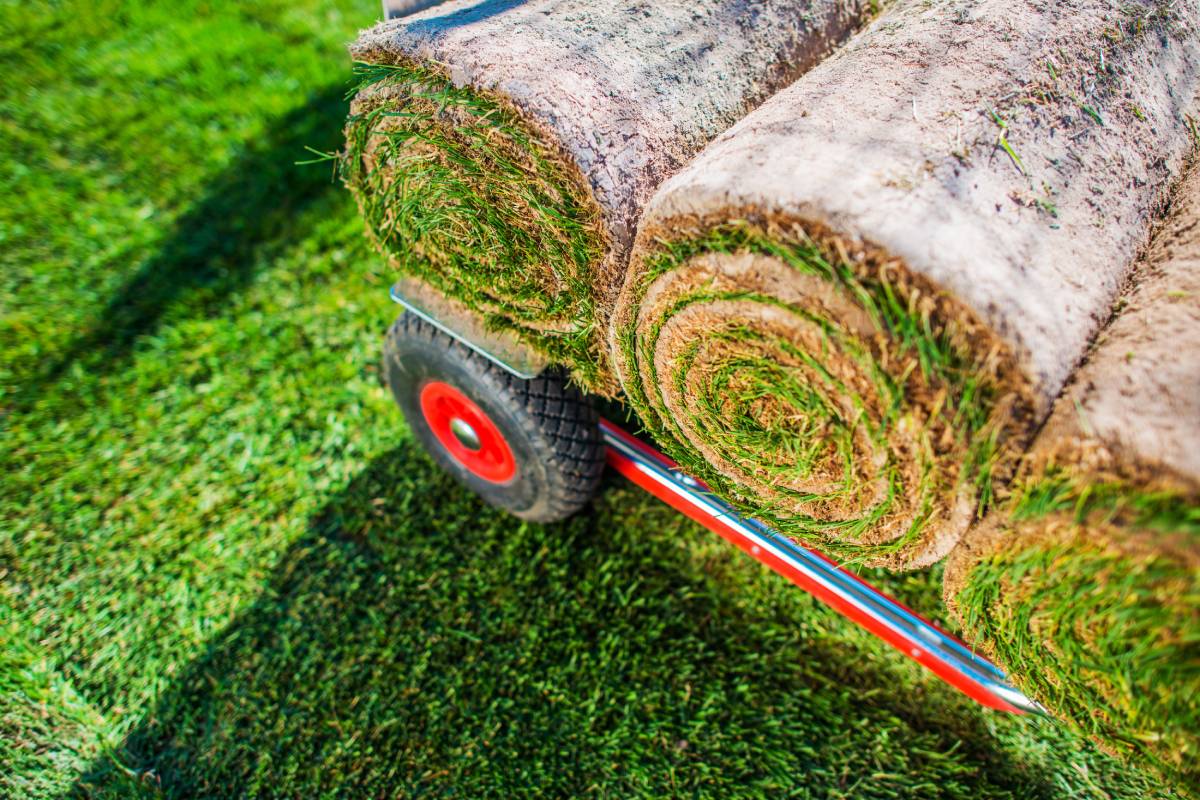
6. Overseed Bare or Thin Areas
Kikuyu can spread quickly but sometimes bare patches need help.
- Use Kikuyu seed or plugs to fill in gaps.
- Prepare the soil surface by lightly raking and loosening before overseeding.
- Keep seeded areas moist until new growth establishes.
7. Mow Correctly
Once the grass starts growing actively:
- Mow regularly to encourage dense, healthy turf.
- Keep the mower blade sharp and at the recommended height (usually around 30-40mm for Kikuyu).
- Avoid cutting more than one-third of the leaf blade at once.
8. Control Pests and Diseases
Keep an eye out for common bugs such as grubs, armyworms, billbugs, mole crickets, and aphids that can damage your grass. Treat any infestations promptly and maintain good lawn care practices to reduce the risk of pest problems.
- Use appropriate treatments if you notice damage.
- Maintain good lawn health to reduce vulnerability.
Additional Tips for Successful Kikuyu Lawn Revival
- Timing: Start the revival process when soil temperatures consistently rise above 15°C.
- Patience: Recovery can take several weeks depending on weather conditions.
- Preventative Care: Maintain good lawn care habits year-round to reduce winter stress.
Professional Lawn Care Services
Sometimes, despite your best efforts, your Kikuyu lawn may need additional professional assistance to recover fully and stay healthy.
That’s where A View Turf comes in. Their team of lawn care specialists offers expert knowledge, professional-grade equipment, and tailored treatments that can be difficult to manage on your own, ensuring your lawn bounces back stronger than ever.
Benefits of Professional Lawn Care:
- Expert Assessment: Professionals can accurately diagnose issues such as pests, diseases, or nutrient deficiencies.
- Thatch and Aeration Services: They use powerful machines for thorough thatch removal and deep aeration to stimulate root growth.
- Custom Fertilization Plans: Tailored nutrient programs can address your lawn’s specific needs, promoting optimal recovery and growth.
- Pest and Disease Management: Specialists provide safe and effective treatments to control grubs, fungal diseases, and other problems.
- Time and Effort Savings: Lawn care can be time-consuming; professionals ensure consistent care to maintain your lawn’s health without extra stress.
Conclusion
Seeing your Kikuyu lawn looking brown and lifeless after winter can be discouraging, but it is usually a natural part of the grass’s lifecycle.
Understanding that the grass is likely dormant rather than dead can help you take the right steps to revive it.
By removing thatch, aerating, feeding, watering properly, and caring attentively, your Kikuyu grass can bounce back to a lush green carpet in spring and summer.With patience and consistent care, you’ll enjoy a healthy, vibrant lawn all year round.