
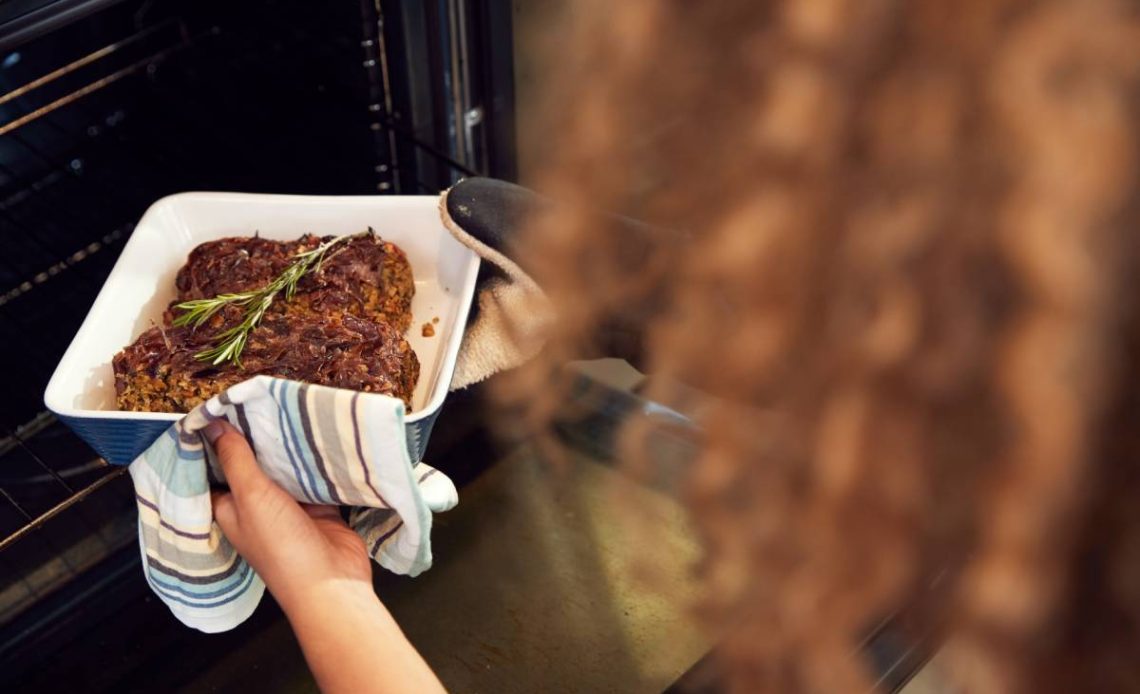
There is a specific kind of heartbreak known only to home cooks. You spend good money on a premium cut of beef. You spend hours prepping the kitchen.
We live in an age of precision. You likely use technology to streamline your day—perhaps you have even looked into home automation sydney services to optimise your living space—so why are you still guessing with your oven?
It’s frustrating. It’s expensive. And it stops today.
The problem isn’t your oven, and it’s likely not even the quality of the meat. The problem is an outdated cooking method. If you are blasting your beef at 400°F (200°C) from start to finish, you are guaranteeing moisture loss.
The solution? The Low and Slow Method (often called the Reverse Sear). By flipping the script—slow roasting first, searing second—you gain total control over the internal temperature.
Ready to master the oven? Let’s get cooking.
Table of Contents
What is the best way to cook beef in the oven?
The Expert Answer:
The absolute best way to cook beef in the oven is the “Reverse Sear” or “Low and Slow” method. This involves roasting the meat at a low temperature (between 225°F and 250°F) until it reaches 10-15 degrees below your target internal temperature. Once cooked gently, the beef is removed and blasted with high heat (either in a skillet or a cranked-up oven) just for a few minutes.
Why it works: This creates a uniform degree of doneness from edge to edge (no grey bands) while preserving enzymes that tenderise the meat.
Why the “Low and Slow” Method Wins
For decades, recipes told us to “sear the meat to seal in the juices.” Science has proven this is a myth. Searing doesn’t seal in juice; it creates flavour via the Maillard Reaction. However, if you sear first and then roast hot, the outer layers of the beef overcook before the centre is done.
Here is why the Low and Slow approach dominates the SERPs and the dinner table:
- Enzymatic Tenderization: Beef contains natural enzymes (calpains and cathepsins) that break down connective tissue. These enzymes are most active between 60°F and 120°F. By cooking slowly, you keep the meat in this “tenderising zone” for longer.
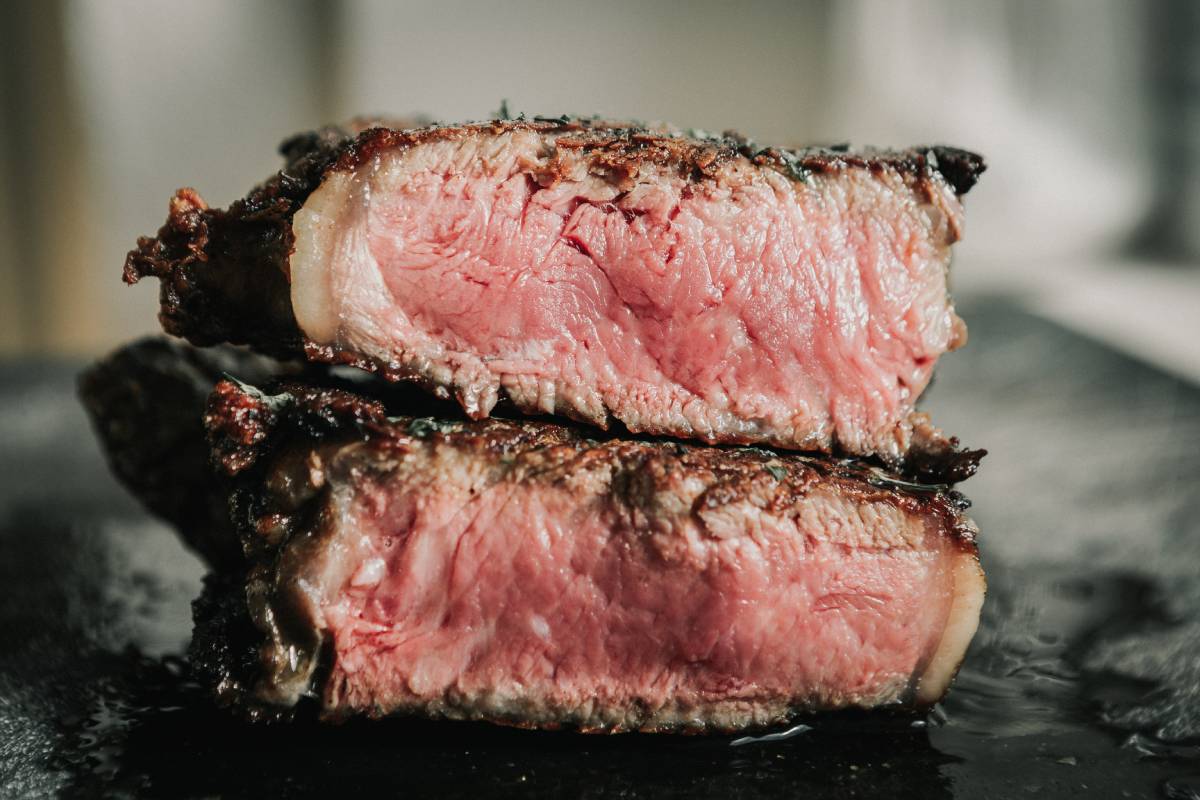
- Even Doneness: High heat creates a “bullseye” effect—well-done on the outside, raw in the middle. Low heat brings the entire roast to temperature simultaneously, giving you that coveted edge-to-edge pinkness.
- Moisture Retention: Aggressive heat squeezes muscle fibres tight, wringing out water like a sponge. Gentle heat keeps the fibres relaxed, retaining those vital juices.
Choosing the Right Cut for the Oven
Not all beef is created equal. The “best way” to cook depends heavily on the anatomy of the cut.
1. The Premium Roasts (Dry Heat Candidates)
These are best for the Reverse Sear method described in this guide. They have decent marbling but don’t require breaking down tough collagen over 8 hours.
- Prime Rib (Standing Rib Roast): The king of roasts. Rich, fatty, and forgiving.
- Beef Tenderloin (Chateaubriand): Lean and extremely tender. requires careful temperature monitoring.
- Top Sirloin Roast: A budget-friendly alternative that tastes expensive when cooked correctly.
2. The Tough Cuts (Braising Candidates)
Note: If you have a Chuck Roast or Brisket, “Low and Slow” means liquid and a lid (Pot Roast).
- Chuck Roast: Needs liquid and time to break down tough connective tissue.
- Brisket: Needs hours of very low heat to render the collagen into gelatin.
Pro Tip: Look for marbling. Those white flecks of intramuscular fat are your insurance policy. As they melt, they baste the meat from the inside out.
Essential Tools You Actually Need
You don’t need a Michelin-star kitchen, but you cannot cook perfect beef by “guessing.”
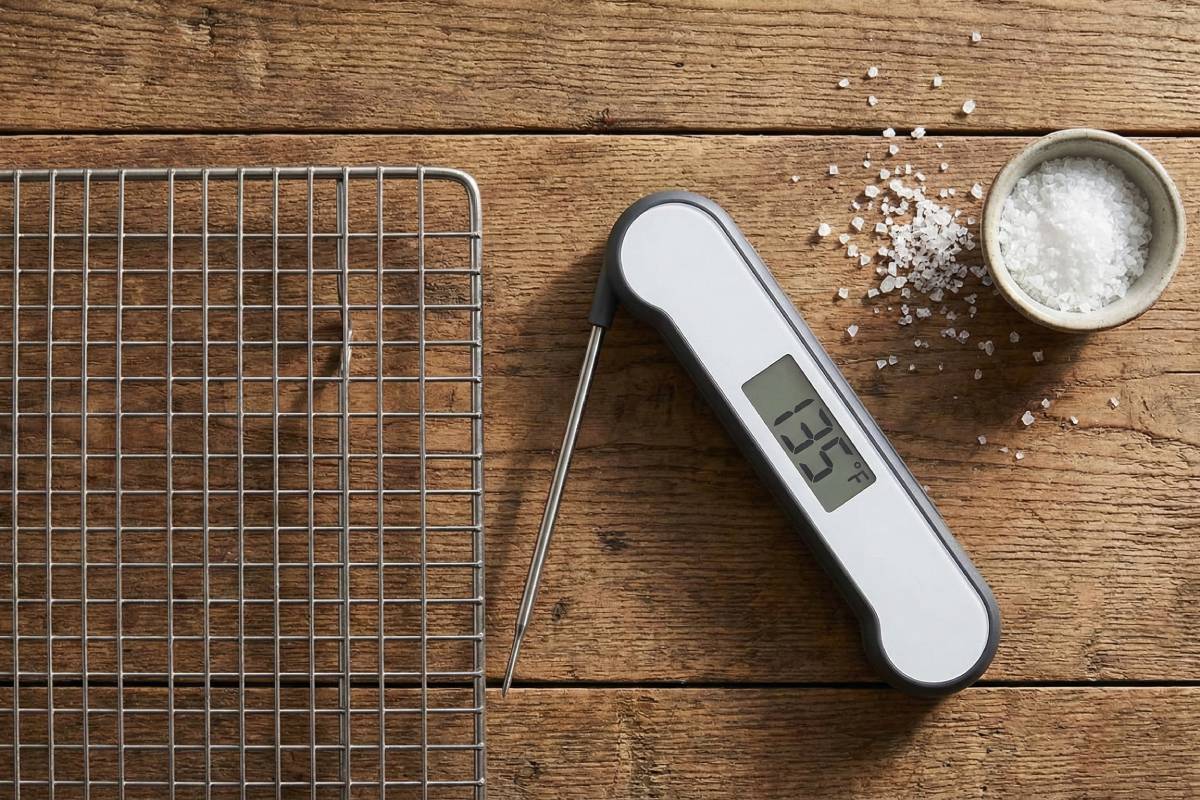
- Instant-Read Digital Thermometer: This is non-negotiable. You cook to temperature, not to time. For the ultimate ease, consider a Bluetooth or Wi-Fi-enabled probe. As the experts at Reds Home Automation Solutions often highlight, integrating smart tech into your daily routines—even in the kitchen—is the secret to stress-free living.
- Wire Rack and Rimmed Baking Sheet: Elevating the meat allows hot air to circulate underneath, ensuring even cooking.
- Heavy Skillet (Cast Iron preferred): For the final sear.
Step-by-Step Guide: The Perfect Roast Beef
Follow this protocol for a Prime Rib, Sirloin, or Tenderloin.
Step 1: The Dry Brine (Don’t Skip This!)
At least 24 hours before cooking (or up to 48 hours), salt your beef generously on all sides with Kosher salt. Place it uncovered in the fridge.
- The Science: Salt draws moisture out, dissolves into a brine, and is reabsorbed into the meat. This season, the beef is deep inside and dries the surface for a better crust later.
Step 2: The Temper
Take the beef out of the fridge 1-2 hours before cooking. Let it come closer to room temperature. This ensures it cooks evenly.
Step 3: The Roast
Preheat your oven to 225°F (107°C) or 250°F (120°C).
Place the beef on the wire rack. Insert your oven-safe thermometer probe into the absolute thickest part of the meat.
Step 4: The Pull
This is the critical moment. You must pull the beef BEFORE it hits your target temp.
- Remove the beef when it is 10°F to 15°F lower than your desired final temperature.
- Example: For Medium-Rare (135°F), pull the beef out at 120°F-125°F.
Step 5: The Rest
Let the meat rest for at least 20–30 minutes loosely tented with foil. This allows the juices to redistribute.
Step 6: The High-Heat Sear
While the beef rests, crank your oven to its maximum heat (500°F+) or heat a cast-iron skillet until smoking hot.
- Oven Method: Pop the roast back in for 6–10 minutes until the crust is brown and crackling.
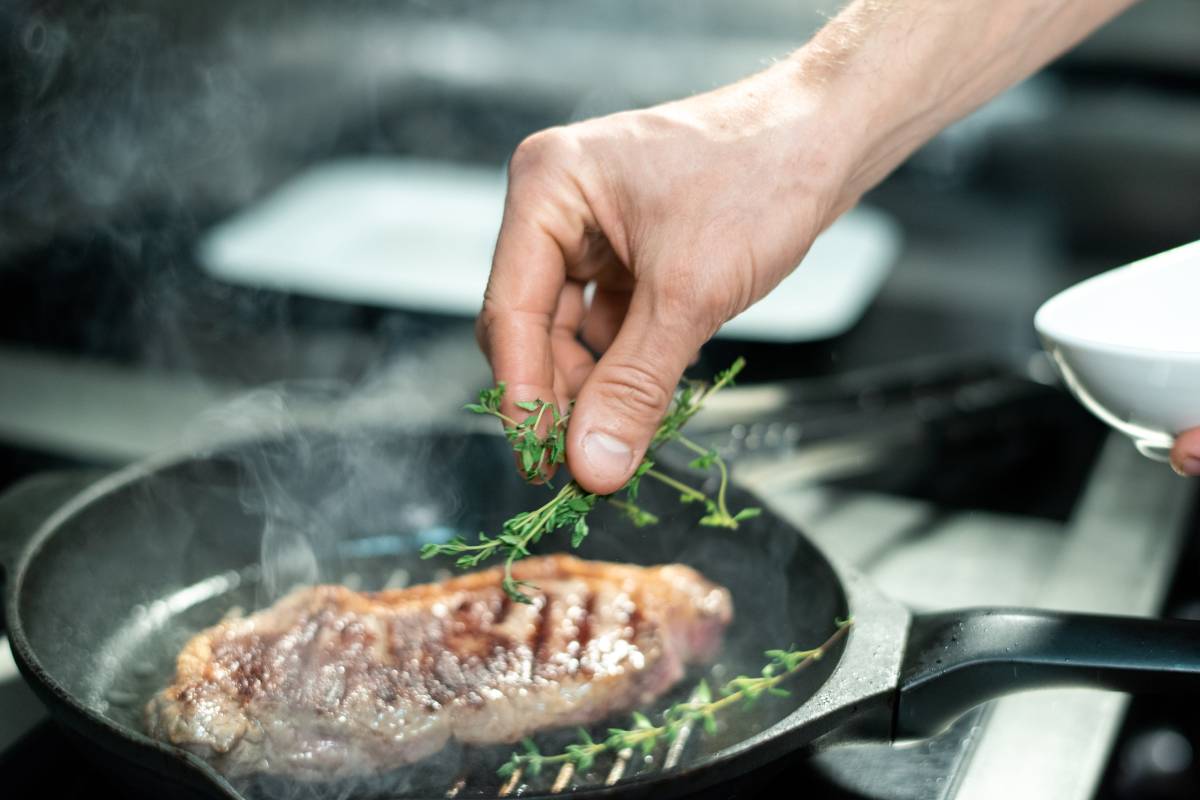
- Skillet Method: Sear each side for 60 seconds in butter and herbs.
Internal Temperature Guide
Stop guessing. Use this chart for perfect results.
| Doneness | Description | Pull From Oven At | Final Temp (After Rest) |
| Rare | Cool red centre | 115°F (46°C) | 125°F (52°C) |
| Medium-Rare | Warm red centre | 125°F (52°C) | 135°F (57°C) |
| Medium | Warm pink centre | 135°F (57°C) | 145°F (63°C) |
| Medium-Well | Slightly pink centre | 145°F (63°C) | 150°F (66°C) |
| Well | Little to no pink | 155°F+ (68°C) | 160°F+ (71°C) |
Chef’s Note: For the best texture and flavour, we highly recommend aiming for Medium-Rare.
Common Mistakes to Avoid
- Trusting “Minutes Per Pound”: This is an outdated calculation. The shape of the meat (thick vs. long) matters more than weight. Always use a thermometer.
- Skipping the Rest: If you cut the meat immediately after roasting, the juices will flood out onto the cutting board. Your meat will be dry, and your board will be wet.
Overcrowding the Pan: If roasting vegetables with the beef, keep them separate. Vegetables release steam, which prevents the beef from forming a crust.
Conclusion: The Perfect Roast is Waiting
Mastering the best way to cook beef in the oven isn’t about luck; it’s about control. By lowering your temperature and using a thermometer, you remove the variables that lead to dry, disappointing dinners.
Whether it’s a Sunday family gathering or a holiday feast, the Low and Slow method ensures that every slice is tender, juicy, and full of flavour.
Now that you have mastered the savoury centrepiece of your Sunday roast, it is time to consider the grand finale. To keep your guests delighted from start to finish, follow up your tender beef with a classic Australian Lamington, a chocolate-dipped sponge cake that serves as the perfect sweet counterpoint to a rich meal.
Now it’s your turn. Do you prefer a garlic-herb crust or a simple salt-and-pepper rub?